Cross Stitch Sheep Laser Cut CNC: A Practical Evaluation
In the realm of digital fabrication and educational toy design, the Cross Stitch Sheep Laser Cut CNC file represents a specific intersection of craft aesthetics and functional development. This digital asset is not merely a decorative pattern; it is a technical blueprint designed for laser cutting machines to produce physical components for Montessori-style lacing games. For makers, educators, and small business owners utilizing CNC technology, understanding the nuances of this file format, its intended application, and its technical requirements is essential for successful production.
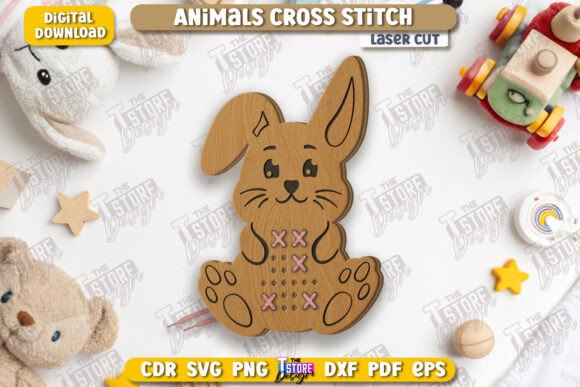
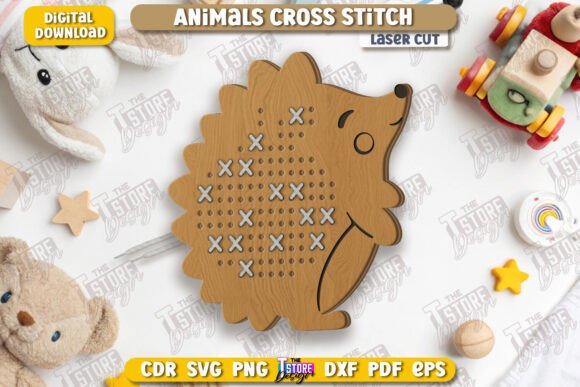
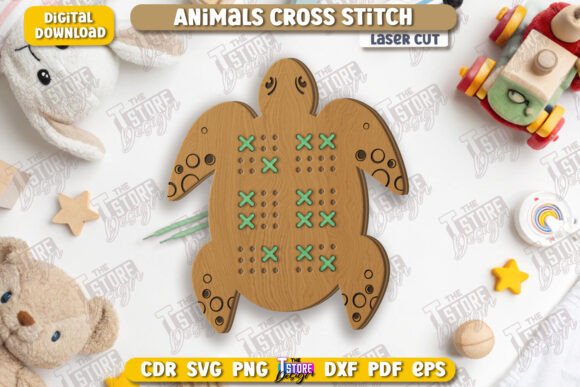
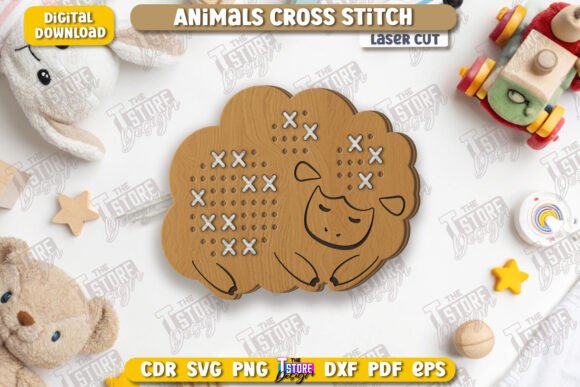
The core value of the Cross Stitch Sheep Laser Cut CNC lies in its dual purpose. Visually, it leverages the recognizable "cross stitch" aesthetic—a grid-based pattern often associated with textile arts—but translates it into rigid materials like wood or acrylic. Functionally, it serves as an educational tool. When cut and assembled, the resulting sheep figure features pre-engraved lines that guide children through lacing activities. These activities are fundamental in early childhood development, fostering fine motor skills, hand-eye coordination, and patience. The transition from a digital file to a tactile learning aid makes this resource particularly relevant for professionals in the educational sector and parents seeking high-quality, handmade toys.
Technical Specifications and File Compatibility
When evaluating any digital product for laser cutting, the integrity of the file formats provided is paramount. The Cross Stitch Sheep Laser Cut CNC package includes a comprehensive suite of files: SVG, EPS, PNG, PDF, and DXF. This variety ensures broad compatibility across different software ecosystems used by laser operators. Whether a user prefers vector-based design software like Adobe Illustrator or CorelDRAW (which handle SVG and EPS well) or dedicated machine control software, there is likely a native format included.
A critical distinction in this product is the color-coding system for machine operations. The design utilizes a RED line for CUT and a BLACK line for ENGRAVE. This separation is standard practice in laser workflow but requires precise configuration in the operator's software. The red vectors define the outer perimeter and internal holes necessary for the lacing string to pass through, while the black vectors create the cross-stitch texture on the surface of the material. This engraving adds visual depth and guides the child's eye during the lacing process, enhancing the educational utility of the toy.
However, users must remain vigilant regarding software-specific behaviors. There is a documented tendency for Lightburn, a popular laser cutting software, to distort dimensions when importing SVG files. This distortion can result in misaligned cuts or incorrect scaling, which would render the toy unusable if the lacing holes do not align perfectly with the engraved paths. To mitigate this risk, the recommendation is to utilize the DXF file format when working within Lightburn. DXF files generally maintain geometric precision better than SVGs in this specific environment, ensuring that the final physical product matches the intended dimensions exactly. This technical nuance underscores the importance of selecting the correct file type based on one's specific hardware and software stack.
Educational Value and Design Intent
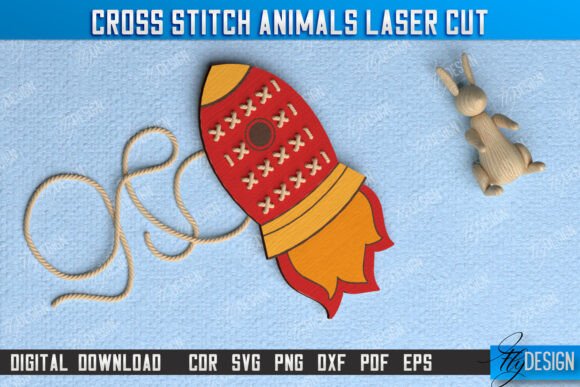
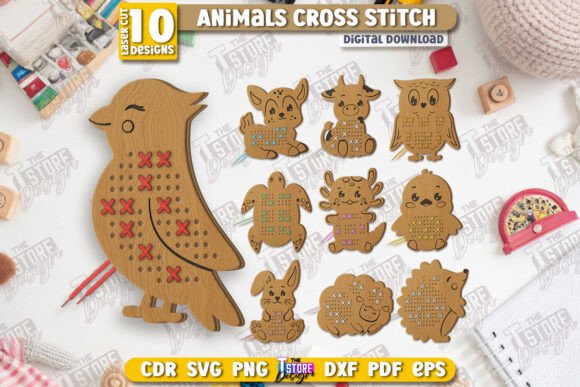
The design of the Cross Stitch Animals Laser Cut Montessori Lacing Developing Game is rooted in pedagogical principles. Montessori education emphasizes hands-on learning and independence. By providing a clear path for lacing, the design reduces frustration for young learners while encouraging them to complete the task without adult intervention. The sheep motif is universally appealing to children, making the activity inviting rather than intimidating.
For educators and therapists, the practical value extends beyond simple entertainment. The act of threading a string through the pre-cut holes requires significant dexterity. It strengthens the small muscles in the fingers and hands, which is a prerequisite for writing and other complex tasks later in life. Furthermore, the cross-stitch engraving provides a visual roadmap. Children learn to follow a sequence, reinforcing logical thinking and pattern recognition. The durability of the material—typically plywood or MDF when laser cut—ensures that the toy can withstand repeated use, offering long-term value in classroom or home settings.
From a manufacturing perspective, the design demonstrates efficiency. The flat-pack nature of the components means they can be nested tightly on a sheet of material, minimizing waste. This is a crucial consideration for entrepreneurs running small businesses who need to manage material costs effectively. The simplicity of the assembly—often requiring only glue or interlocking tabs depending on the specific iteration—allows for rapid production once the laser parameters are dialed in.
Workflow Integration and Production Considerations
Integrating the Cross Stitch Sheep Laser Cut CNC file into a professional workflow requires attention to detail. Before committing to a full batch production run, it is advisable to perform test cuts on scrap material. This step allows the operator to verify that the red cut lines separate cleanly and that the black engrave lines have sufficient contrast without burning too deeply into the wood. Different materials react differently to laser power and speed settings; birch plywood may require different parameters than basswood or acrylic.
Consistency is another factor that distinguishes a professional output from a hobbyist attempt. Because the lacing game relies on the alignment of holes and patterns, any deviation in the cut can lead to a poor user experience. If the holes are slightly off-center due to file distortion or machine calibration issues, the lacing string may bind or fail to pass through smoothly. Using the recommended DXF file for Lightburn users addresses a significant portion of this risk, but regular maintenance of the laser head and bed leveling remains essential.
For those selling these items, the presentation of the finished product matters. The clean edges produced by a well-tuned laser cutter contribute to a premium feel. Sanding the edges lightly after cutting can remove minor char marks, further enhancing the quality. The cross-stitch pattern, when engraved correctly, adds a unique textural element that differentiates this product from generic plastic lacing cards available in mass-market retail stores. This artisanal quality is a key selling point for consumers looking for sustainable, non-toxic, and thoughtfully designed toys.
Target Audience and Strategic Application
Who benefits most from the Cross Stitch Sheep Laser Cut CNC? The primary audience includes small business owners specializing in wooden toys, homeschooling parents creating custom curriculum tools, and occupational therapists sourcing sensory aids. Entrepreneurs in the maker space will find this file valuable for expanding their product catalog with low-overhead, high-margin items. The ability to customize the size of the file (within reason) allows creators to adapt the design for different age groups or material constraints.
Freelancers and bloggers in the DIY niche can also leverage this resource. By documenting the creation process—from downloading the file to assembling the final toy—creators can generate engaging content that drives traffic and builds community. The transparency of sharing technical tips, such as the Lightburn DXF recommendation, establishes authority and trust with the audience.
There are, however, limitations to consider. This is a digital product, meaning the end-user must possess the necessary hardware and technical skills to realize the physical object. It is not a ready-made solution for someone without access to a laser cutter. Additionally, while the file formats are versatile, users unfamiliar with vector editing software may find the initial setup challenging. Clear instructions and communication channels are vital. The seller explicitly invites inquiries for alternative file types or PNG sizes, acknowledging that every user's needs may vary slightly.
Long-Term Viability and Resource Management
The longevity of the Cross Stitch Sheep Laser Cut CNC as a resource depends on its adaptability. As educational trends evolve, the demand for screen-free, tactile learning tools continues to rise. This design fits squarely within that trend, ensuring its relevance for years to come. The modular nature of the file allows for future iterations; for instance, combining the sheep design with other animals from the same series to create a farm-themed set.
For business owners, maintaining a relationship with the creator is beneficial. Following the shop ensures access to future releases and updates. In the rapidly changing landscape of digital fabrication, having a reliable source for high-quality, tested designs saves time and reduces the risk of failed projects. The inclusion of multiple file formats and the willingness to provide custom adjustments demonstrate a commitment to customer success, which is a hallmark of a reputable digital vendor.
Ultimately, the Cross Stitch Sheep Laser Cut CNC is more than just a set of vectors. It is a bridge between digital design and physical education. When executed with care and the correct technical approach, it produces a durable, engaging, and developmentally appropriate toy. For those equipped with the right machinery and a keen eye for detail, this file offers a robust opportunity to create value, whether for personal use, educational support, or commercial enterprise. The key to success lies in respecting the technical specifications, choosing the right file format for the software in use, and prioritizing the quality of the final cut to ensure the educational goals are met effectively.