Lego Style Chicken Easter Puzzle SVG Kid: A Practical Guide for Creators and Makers
The intersection of digital design and tangible craft has created a new landscape for makers, small business owners, and educators. In this space, the Lego Style Chicken Easter Puzzle SVG Kid stands out as more than just a seasonal graphic; it is a functional asset designed for precision cutting and assembly. This digital file represents a unique opportunity to create high-quality, interactive products that serve dual purposes as engaging children's games and distinctive home decorations. For professionals managing production workflows or hobbyists planning weekend projects, understanding how to integrate this specific asset into your process is essential for achieving consistent, professional results.
Understanding the Asset and Its Role in Production
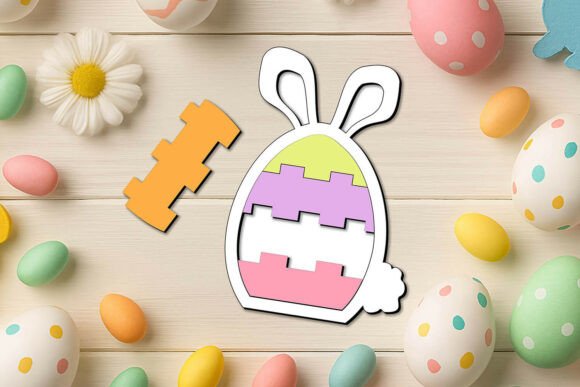
The Lego Style Chicken Wings Egg-shaped Easter Puzzle is a vector-based design optimized for laser cutters, CNC machines, and vinyl plotters. Unlike standard flat images, this design incorporates interlocking elements that mimic the tactile experience of building blocks, offering a satisfying physical interaction for children. When integrated into a broader creative workflow, this SVG file acts as the blueprint for physical goods. It bridges the gap between digital planning and material execution, allowing creators to visualize the final product before committing resources to raw materials.
For entrepreneurs looking to expand their Easter catalog, this puzzle fits seamlessly into a product development cycle. It can be used during the prototyping phase to test market interest with low-cost materials like scrap wood or acrylic. Once validated, the same file drives mass production runs. The versatility of the design allows it to function as a standalone gift, a component of a larger educational kit, or a decorative element for seasonal displays. By treating the SVG file as a core operational tool rather than just an image, creators can streamline their planning, reduce waste, and ensure that every cut piece contributes to a cohesive final product.
Material Selection and Compatibility
The success of any cutting project relies heavily on material compatibility. The Lego Style Chicken Easter Puzzle SVG Kid is engineered to work effectively with a range of substrates, including Plywood, MDF, HDF, Wood, and Acrylic. Each material offers distinct advantages depending on the intended use case and the target audience.
- Plywood: Ideal for durable, rustic-style puzzles that can withstand rough play. It is cost-effective for bulk orders and provides a natural aesthetic.
- MDF and HDF: These medium-density fiberboards offer a smooth surface perfect for painting or staining after cutting. They are excellent for creating uniform, high-quality pieces where edge finish is critical.
- Solid Wood: Provides a premium feel and longevity, making it suitable for heirloom-quality gifts or high-end home decor items.
- Acrylic: Offers a modern, translucent look. This material is particularly effective for decorative pieces meant to be backlit or displayed in clear frames.
Selecting the right material requires a pre-production assessment of the machine capabilities and the desired outcome. For instance, if the goal is a vibrant, colorful toy for young children, MDF might be the best choice due to its paintability. Conversely, if the focus is on a sleek, contemporary decoration, acrylic provides the necessary clarity and shine. Understanding these variables ensures that the digital design translates accurately into the physical realm without compromising structural integrity.
Navigating the Color-Coded Cutting Workflow
A critical aspect of utilizing the Lego Style Chicken Easter Puzzle SVG Kid is adhering to the specific color-coding system embedded within the digital file. This system is not merely decorative; it is a functional instruction set designed to optimize the cutting sequence and prevent errors during the manufacturing process. Ignoring these codes can lead to misaligned parts, wasted material, and damaged machinery.
Decoding the Vector Layers
The file utilizes a four-color logic system to guide the operator through the cutting hierarchy. Proper interpretation of these layers is fundamental to efficient execution:
- Green Color (Cut First): These lines represent the primary exterior cuts. Executing these first establishes the main shape of the puzzle and the individual pieces. Starting with green ensures that the structural boundaries are defined before any internal scoring or detailing occurs.
- Yellow Color (Score): Yellow lines indicate where the material should be scored rather than fully cut. Scoring creates a groove that allows for folding or snapping, which is essential for the "Lego style" interlocking mechanism. Precision here is vital; too deep a score may cause breakage, while too shallow a score will prevent proper assembly.
- Black Color (Cut Second): These lines denote secondary cuts, often internal details or finer separations that require the main structure to be stable. Performing these after the initial green cuts ensures that the material remains supported during the operation.
- Red Color (Information Only): Red lines serve as reference guides, such as alignment marks, text labels, or dimension indicators. These should never be cut. They are there to assist the operator in positioning the material correctly on the bed.
Integrating this color-coded logic into your software workflow requires careful setup. Most vector software allows users to assign different power, speed, and frequency settings to specific colors. By mapping the Green, Yellow, Black, and Red layers to the appropriate machine parameters, operators can automate the process, reducing the risk of human error. This systematic approach transforms a complex multi-step task into a streamlined, repeatable procedure.
Implementation Strategies for Business and Hobbyists
Whether you are running a small Etsy shop, managing a school craft program, or producing custom gifts for clients, the implementation of this puzzle design follows a logical progression from preparation to quality control. The Lego Style Chicken Easter Puzzle SVG Kid serves as a versatile anchor for various business models and personal projects.
Pre-Production Planning
Before loading the file into your cutting software, a thorough review of the machine settings is mandatory. It is the responsibility of the operator to understand the specific requirements of their equipment. Different lasers and CNC routers react differently to wood grain, density, and thickness. Running a test cut on a scrap piece of the chosen material is a non-negotiable step in the workflow. This test verifies that the power settings for the Green (cut) and Yellow (score) lines are calibrated correctly for the specific batch of material being used.
Organization plays a significant role in efficiency. If producing multiple units, nesting the design efficiently on the material sheet can maximize yield and minimize waste. The egg-shaped nature of the puzzle allows for tight packing, but care must be taken to leave sufficient spacing between pieces to prevent heat buildup or debris interference during cutting. Using a layout software to arrange the vectors before sending them to the machine can save time and material costs in the long run.
Quality Control and Assembly
Once the cutting process is complete, the focus shifts to quality assurance. Inspect each piece for clean edges, ensuring that the scoring lines (yellow) have created the intended flexibility without fracturing the material. For wooden puzzles, sanding may be required to remove char marks or burrs, enhancing safety for children. If using acrylic, polishing the edges can elevate the perceived value of the product.
Assembly testing is the final checkpoint. Put together a sample puzzle to verify that the interlocking mechanism functions smoothly. The "Lego style" feature relies on precise tolerances; if the pieces are too loose, they won't hold together, and if they are too tight, they will be difficult for a child to manipulate. Adjustments to the scoring depth or cut width can be made based on these findings. This iterative feedback loop ensures that the final product meets the high standards expected by parents, educators, and decorators.
Long-Term Value and Versatility
Beyond the immediate production cycle, the Lego Style Chicken Easter Puzzle SVG Kid offers long-term value through its adaptability. As a digital asset, it can be reused year after year, scaled for different sizes, or modified to include branding elements for corporate gifting. For educators, it serves as a reusable resource for developing fine motor skills and problem-solving abilities in early childhood education. For home decorators, the finished product adds a whimsical yet structured touch to seasonal arrangements.
The ability to produce this item in-house gives creators control over inventory, pricing, and customization. It eliminates the need for expensive molds or third-party manufacturers, lowering the barrier to entry for small businesses. By mastering the workflow—from material selection and color-coded cutting to finishing and assembly—creators can turn a simple SVG file into a profitable and meaningful product line. The key lies in respecting the technical specifications of the file and applying a disciplined, process-oriented approach to every stage of creation.