Laser Chicken Blocks Easter Puzzle SVG: A Strategic Guide for Creators and Businesses
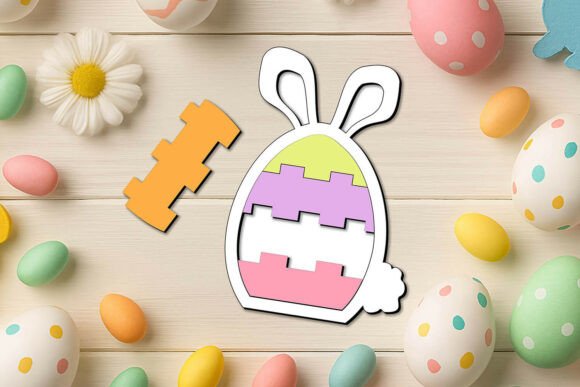
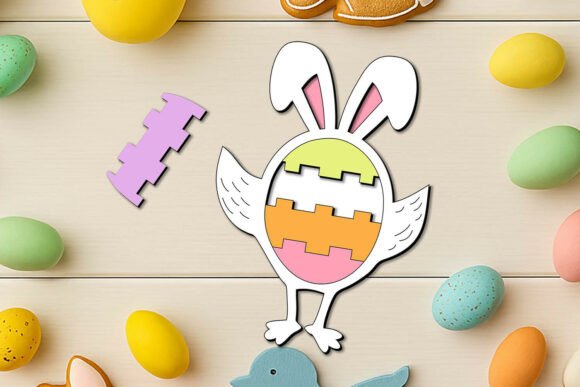
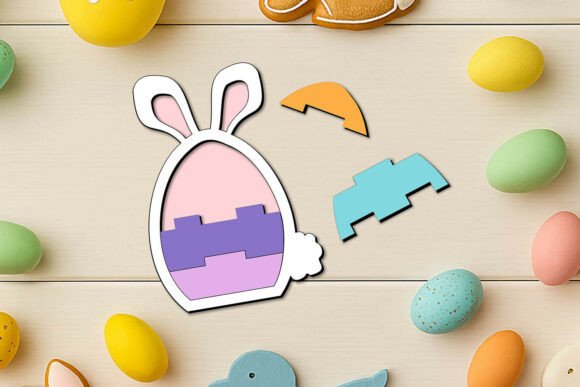
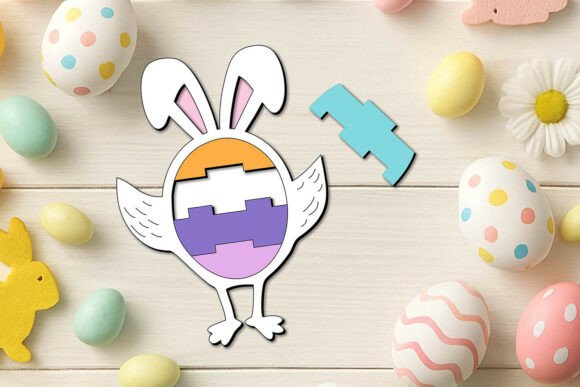
The Laser Chicken Blocks Easter Puzzle SVG represents more than a simple digital file; it is a versatile asset for entrepreneurs, hobbyists, and small business owners looking to diversify their product lines or enhance seasonal offerings. This unique block-style design, featuring chicken wings and an egg-shaped structure, serves as a robust foundation for creating high-quality physical products that function as both engaging games for children and sophisticated home decorations. For professionals managing laser cutting operations, understanding the strategic application of this specific vector file is essential for maximizing material efficiency, ensuring production quality, and delivering a superior customer experience.
Success in the maker economy and niche retail sectors depends on the ability to translate digital designs into tangible value. The Laser Chicken Blocks Easter Puzzle SVG offers a distinct opportunity to capture market attention during the Easter season while establishing a brand identity rooted in creativity and precision. However, realizing this potential requires a disciplined approach to material selection, machine settings, and color-coded workflow management. Without a clear strategy, even the most visually appealing design can result in wasted resources and subpar outcomes.
Strategic Value and Market Positioning
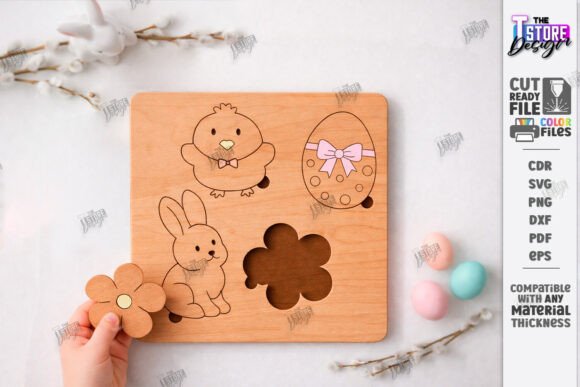
Integrating the Laser Chicken Blocks Easter Puzzle SVG into your product catalog allows for targeted positioning within the gift and toy markets. The design's dual nature—as a puzzle game for kids and a decorative piece for homes—expands its utility across different consumer segments. Parents seeking educational toys that stimulate problem-solving skills will find value in the block-style mechanics, while interior decorators and homeowners appreciate the aesthetic appeal of a themed Easter decoration.
For small business owners and freelancers, this asset supports operational goals by streamlining the design-to-production pipeline. Instead of investing hours in drafting complex vectors from scratch, utilizing a pre-engineered file like this one accelerates time-to-market. This speed is critical during seasonal peaks where demand fluctuates rapidly. By leveraging a proven design, you can focus your energy on marketing, branding, and customer engagement rather than getting bogged down in technical design challenges.
Furthermore, the versatility of the Laser Chicken Blocks Easter Puzzle SVG encourages experimentation with branding. Whether you are producing limited-edition runs for a boutique shop or bulk orders for a craft fair, the consistent geometry of the blocks ensures a professional finish. This consistency is vital for building trust with customers who expect high-quality craftsmanship. When consumers perceive a product as well-made and thoughtfully designed, they are more likely to return for future purchases and recommend your brand to others.
Material Selection and Operational Planning
The effectiveness of any laser-cut project hinges on the appropriate choice of materials. The Laser Chicken Blocks Easter Puzzle SVG is compatible with a range of substrates, including Plywood, MDF, HDF, natural Wood, and Acrylic. Each material offers distinct advantages and presents specific challenges that must be addressed during the planning phase.
- Plywood: Offers excellent structural integrity and a natural grain aesthetic, making it ideal for durable toys that can withstand active play. It is cost-effective and widely available.
- MDF and HDF: These engineered woods provide a smooth surface perfect for painting and detailed finishing. They are excellent for achieving uniform colors but require careful handling to prevent chipping.
- Natural Wood: Adds a premium, organic feel suitable for high-end home decor. Variations in grain can add character but may affect cut precision if the wood is uneven.
- Acrylic: Provides a modern, translucent look that enhances the visual impact of the egg shape. It is ideal for decorative pieces where light interaction is desired.
Strategic decision-making involves matching the material to the intended use case. If the primary goal is to create a long-lasting game for children, Plywood or HDF might be the superior choice due to their durability. Conversely, if the objective is to produce a decorative centerpiece for a holiday display, Acrylic could offer the necessary visual flair. Understanding these nuances ensures that the final product aligns with customer expectations and minimizes the risk of returns or dissatisfaction.
Decoding the Color-Coded Workflow
A critical component of successfully executing the Laser Chicken Blocks Easter Puzzle SVG lies in adhering to the specific color coding embedded within the digital file. This system is designed to optimize the cutting process, ensuring that intricate details are preserved and assembly is straightforward. Ignoring these cues can lead to misaligned parts, broken edges, or complete production failures.
The file utilizes a precise color logic that operators must configure correctly in their vector software:
- Yellow Color: Indicates areas designated for scoring. Scoring creates a shallow groove that allows the material to bend without breaking, which is essential for assembling the 3D block structure. Incorrect power settings here can either fail to score deeply enough or cut through the material entirely.
- Green Color: Represents the first pass for cutting. This initial cut separates the main components from the raw material sheet. Proper calibration ensures clean edges and prevents burning.
- Black Color: Designates the second cut pass. This often involves refining internal details or separating interlocking pieces that were left connected during the first pass to maintain stability during the initial cut.
- Red Color: Serves purely for informational purposes. These elements should not be cut or scored but are included to guide the operator or provide context within the design layout.
Adhering to this protocol is not merely a suggestion; it is a fundamental operational requirement. The sequence of operations—scoring before cutting, or cutting in specific stages—directly impacts the structural integrity of the final puzzle. For instance, attempting to cut all layers simultaneously without respecting the green and black distinctions can result in warped pieces or incomplete separations. A disciplined approach to interpreting these color codes demonstrates professionalism and reduces material waste.
Risk Management and Technical Responsibility
While the Laser Chicken Blocks Easter Puzzle SVG provides a comprehensive template, the ultimate responsibility for successful execution rests with the operator. There is inherent risk in assuming that a digital file will work universally across all machines and materials without adjustment. Every laser cutter has unique characteristics regarding power output, speed capabilities, and lens focus. Similarly, every batch of material may vary slightly in thickness or density.
Blindly applying default settings without testing can lead to significant losses. Burning through thin acrylic, failing to penetrate thick MDF, or scorched edges on plywood are common pitfalls that arise from a lack of preparation. It is imperative to conduct test cuts on scrap material before committing to a full production run. This practice allows you to fine-tune speed and power settings to match the specific combination of your machine and chosen substrate.
Moreover, reliance on the file does not absolve the user of the need for technical competence. Operators must possess a thorough understanding of their cutting software, the mechanics of their laser machine, and the properties of the materials they are using. The Laser Chicken Blocks Easter Puzzle SVG is a tool, not a substitute for expertise. Neglecting to verify settings or understand the color-coded instructions can compromise the safety of the operation and the quality of the output.
Maximizing Long-Term Results
To derive maximum value from the Laser Chicken Blocks Easter Puzzle SVG, creators should view it as part of a broader strategy for product development and brand growth. Consistency in quality builds reputation. By mastering the production process for this specific design, you establish a workflow that can be replicated for future projects. The skills gained in managing color-coded files, optimizing material usage, and calibrating machine settings are transferable assets that enhance overall operational efficiency.
Additionally, thoughtful customization can differentiate your product in a crowded marketplace. While the base SVG provides the structure, adding unique finishes, custom packaging, or complementary accessories can elevate the perceived value. For example, offering the puzzle in various wood types or providing a step-by-step assembly guide as part of the package can significantly improve the customer experience. These enhancements turn a simple commodity into a branded product that commands a higher price point and fosters customer loyalty.
In conclusion, the Laser Chicken Blocks Easter Puzzle SVG is a powerful resource for those willing to apply strategic thinking and technical rigor. By carefully selecting materials, strictly following the color-coded workflow, and maintaining a commitment to quality control, you can transform this digital file into a profitable and impactful product. Whether used for personal enjoyment, educational purposes, or commercial gain, the key to success lies in intentional execution and a deep understanding of the tools at your disposal.