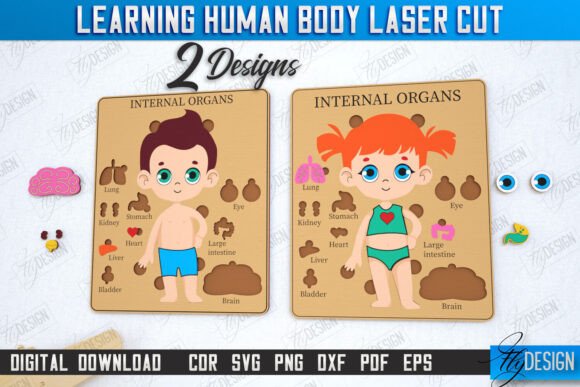
Learning Human Body Laser Cut Bundle: A Creator’s Guide to Avoiding Common Pitfalls
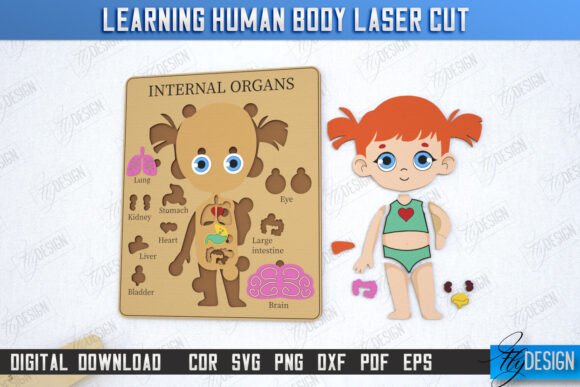
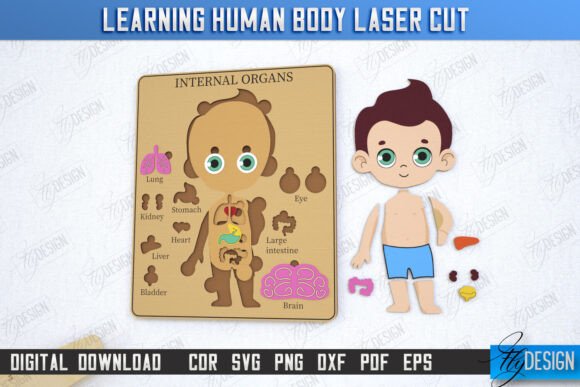
If you're exploring the Learning Human Body Laser Cut Bundle, you're likely interested in creating engaging educational tools or fun anatomy-based puzzles for kids. This digital product offers a convenient way to bring detailed human body designs to life using laser cutting machines. But while the idea sounds straightforward, there are several practical considerations that can impact your results—especially if you're new to laser cutting or file formats.
The Learning Human Body Laser Cut Bundle includes a variety of file types—SVG, EPS, PNG, PDF, and DXF—making it versatile for different software and machines. However, not all formats perform equally well in every setup. For example, users of Lightburn software have reported dimensional distortions when working with SVG files, which can lead to inaccurate cuts or misaligned puzzle pieces.
Common Mistakes When Using the Learning Human Body Laser Cut Bundle
Many buyers assume that any file format included in the bundle will work seamlessly with their laser cutter. This assumption can lead to wasted time, material, and frustration. Here are some common issues people run into:
- Using SVG files in Lightburn without verifying dimensions – As noted in the product description, SVG files may not retain their scale properly in Lightburn, which can result in incorrect cut sizes.
- Ignoring the importance of file compatibility – Some machines or software may not support certain formats, leading to import errors or incomplete designs.
- Not checking resolution for PNG files – While transparent PNGs are useful for previewing designs, low-resolution images may not translate well to precise cutting paths.
- Overlooking the DXF format – DXF files are often more reliable for maintaining accurate vector data, especially in CAD-based workflows.
How These Mistakes Affect Your Project
Choosing the wrong file type or skipping compatibility checks can have real consequences:
- Poor puzzle fit – If the dimensions are off, puzzle pieces may not align correctly, reducing the educational value and user enjoyment.
- Wasted materials – Inaccurate cuts can lead to ruined sheets of wood, acrylic, or other substrates, increasing costs.
- Delays in production – Fixing file issues mid-project slows down workflow, especially if you have to re-download or convert files.
- Unmet expectations – Buyers who expect plug-and-play simplicity may feel disappointed if they encounter technical hurdles they weren’t prepared for.
Practical Advice to Avoid Problems
Thankfully, most of these issues can be avoided with a bit of preparation and awareness. Here's how to make the most of your Learning Human Body Laser Cut Bundle:
- Start with the right file format – If you're using Lightburn, opt for the DXF version of the files. This format tends to preserve dimensional accuracy better than SVG.
- Verify dimensions before cutting – Load your file into your software and double-check measurements against the original design specifications.
- Request alternative file types if needed – The seller offers to provide other formats or PNG sizes upon request. Don’t hesitate to ask if your workflow requires a specific setup.
- Use high-resolution PNGs for preview only – These are great for visualizing the final product but not ideal for cutting paths due to potential resolution limits.
- Test with scrap material first – Especially if you're trying a new file format or adjusting settings, test cuts can save time and materials.
What to Check Before Buying or Using the Bundle
Before downloading or starting your project, take a moment to confirm the following:
- Machine compatibility – Does your laser cutter support the included file types? Check your machine’s documentation or community forums for known format limitations.
- Software support – Does your design software import DXF, SVG, or EPS without issues? Some programs may require conversion or cleanup after import.
- Project scale – Are you creating a small educational puzzle or a large classroom poster? The intended size may influence which file format performs best.
- Support availability – The seller is open to answering questions and providing alternate files. Take advantage of that support to avoid guesswork.
Real-World Example: A Smoother Workflow
Let’s say you’re an educator looking to create a set of anatomy puzzles for a biology class. You download the Learning Human Body Laser Cut Bundle and immediately open the SVG file in Lightburn, assuming it will work as expected. After running a test cut, you notice the torso piece is slightly too large and doesn’t fit with the other organs.
Rather than blaming the design, you try the DXF version instead. This time, the dimensions match perfectly, and your puzzle pieces align exactly as intended. By switching file formats based on the product description’s advice, you save time, material, and avoid a frustrating setback.
Final Thoughts: Make Informed Choices
The Learning Human Body Laser Cut Bundle is a valuable resource for anyone looking to blend education with hands-on creativity. Whether you're crafting puzzles for kids or designing anatomical models for a classroom, the key to success lies in understanding your tools and file formats.
Don’t let small technical oversights derail your project. Take a few extra minutes to verify compatibility, test with scrap material, and reach out to the seller if you're unsure. With a little preparation, you’ll get the most out of this bundle and deliver a polished, functional result that meets your expectations—and maybe even exceeds them.
And remember, if you're ever in doubt about file types, colors, or sizing, just send the seller a message. They’re happy to help, and a quick question can prevent hours of troubleshooting later.