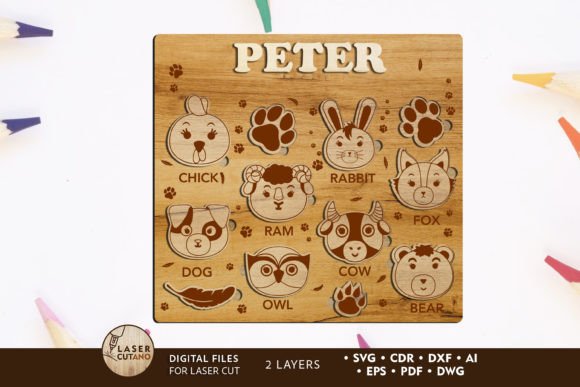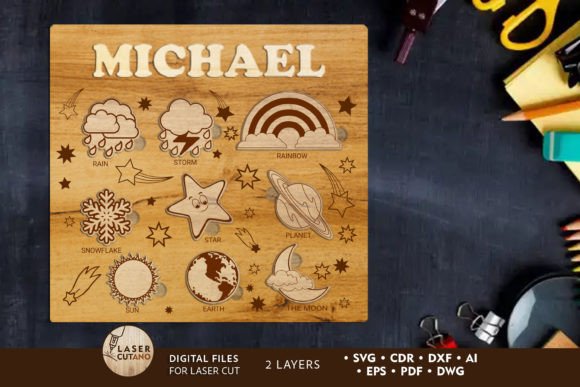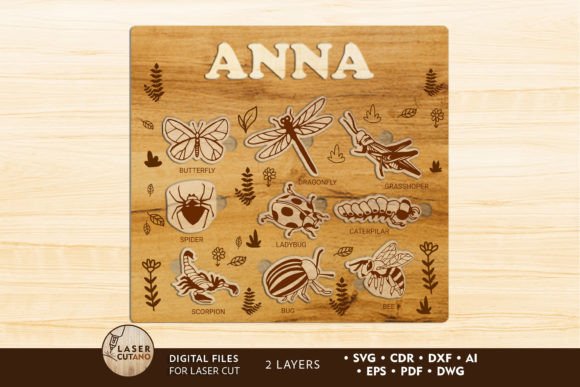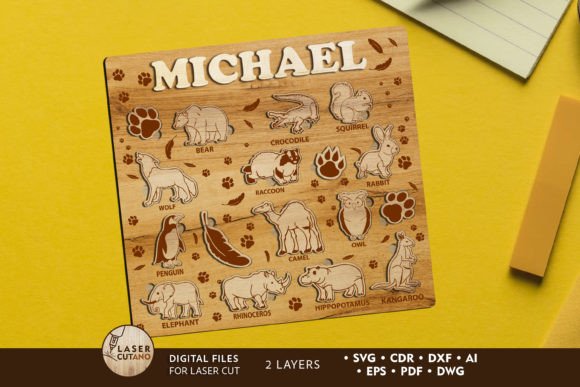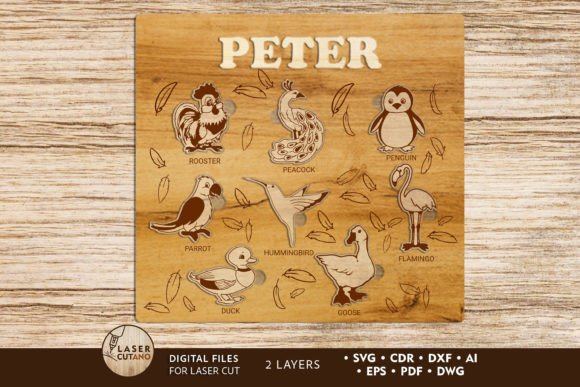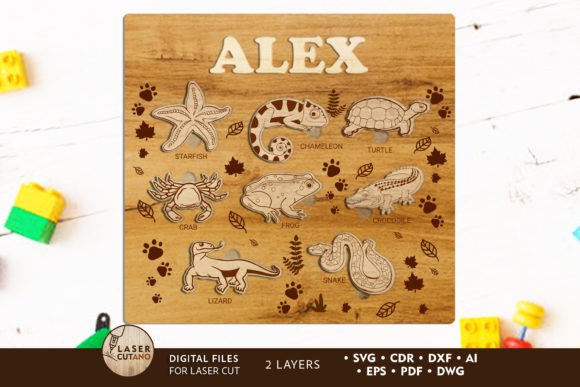
Custom Puzzle for Kids Layered Template
Imagine transforming a simple flat image into a tangible, multi-dimensional experience that captivates both children and adults alike. This is the power of a well-crafted Custom Puzzle for Kids, Layered Template, where digital precision meets physical creativity. In the realm of modern graphic design, these assets are not merely files; they are the blueprint for interactive storytelling, blending entertainment with sentimentality to create lasting impressions. Whether you are a designer looking to expand your creative portfolio or a maker aiming to produce unique gifts, understanding the intricacies of these multilayer layout files is essential for elevating your projects.
The Intersection of Digital Design and Physical Craft
At its core, a layered template represents a sophisticated approach to visual communication. Unlike standard single-layer cut files, these designs utilize depth and dimension to enhance the user experience. The provided PUZZLE Digital multilayer layout files are specifically engineered for compatibility with laser cutters, CNC routers, and Glowforge machines. This technical precision ensures that when you transition from screen to material, the integrity of your visual hierarchy remains intact.
For designers, this means having control over every millimeter of the final product. The finished puzzle measures 11 x 12 inches with two distinct layers, offering a perfect canvas for intricate details. By preparing files in formats such as .AI, .SVG, .DXF, .DWG, .CDR, .EPS, and .PDF, the workflow becomes seamless across various software environments. This versatility is crucial for maintaining a robust design workflow that accommodates different client needs and production capabilities.
Strategic Applications in Branding and Marketing
Beyond personal gifting, these templates offer significant opportunities for branding and marketing. A custom puzzle can serve as a high-impact promotional item, reinforcing brand identity through tactile interaction. When used correctly, the design elements within the template—such as typography, color palette, and composition—can communicate a brand's values more effectively than traditional print media.
- Brand Identity: Use the engraving capabilities on plywood or acrylic to embed logos and taglines directly into the puzzle pieces, creating a memorable unboxing experience.
- Merchandise & Packaging: Integrate these puzzles into premium packaging designs or as standalone merchandise that stands out in a crowded market.
- Event Marketing: Create bespoke puzzles for birthdays, anniversaries, or corporate events to add an extra layer of joy and engagement to the festivities.
Material Selection and Visual Impact
The choice of material plays a pivotal role in the final aesthetic and durability of the project. Recommended materials include Plywood, MDF, Acrylic, Plexiglas, and Cardboard, each offering a unique texture and finish. For wood applications, a thickness of 3 – 6 mm (1/8in – 1/4in) is ideal. This range provides enough structural integrity for the two-layer assembly while allowing for clean cuts on laser and CNC machines.
From a graphic design perspective, the material dictates how light interacts with the surface, influencing the overall mood of the piece. Acrylic offers a modern, sleek look suitable for contemporary aesthetics, while plywood provides a warm, organic feel that resonates with natural themes. It is vital to paint the layers before gluing them together. This step ensures that the edges remain visible and vibrant, contributing to the polished, professional presentation of the final product.
Optimizing Scalability and Detail
When working with multilayer models, scalability is a key consideration. While you can increase the size of the design without losing quality, reducing the dimensions requires caution. Thin elements may become fragile or difficult to cut if the scale is reduced too significantly. Designers must evaluate the typography and line weights to ensure readability and structural stability at the intended size.
Furthermore, the process of assembling these puzzles involves precise alignment. Each layer of the multilayer model is glued, creating a cohesive unit that feels substantial and high-quality. This attention to detail mirrors the principles of good UI design and UX design, where every element must function harmoniously to deliver a satisfying user journey. In this case, the "user" is the person solving the puzzle, and the "interface" is the tactile interaction with the layers.
Delivering Value Through Thoughtful Design
Incorporating a Custom Puzzle for Kids, Layered Template into your creative toolkit allows you to bridge the gap between digital assets and physical reality. It challenges designers to think beyond the screen, considering how form, function, and materiality converge to create meaning. Whether you are crafting a one-of-a-kind gift or developing a new line of branded products, the ability to manipulate these digital files gives you the freedom to innovate.
Ultimately, the success of any design project lies in its ability to connect with the audience. By leveraging high-quality, versatile templates and adhering to best practices in material selection and fabrication, you can create experiences that are not only visually stunning but also emotionally resonant. Thoughtful design choices transform simple objects into cherished memories, proving that in the world of creative projects, the details truly do matter.