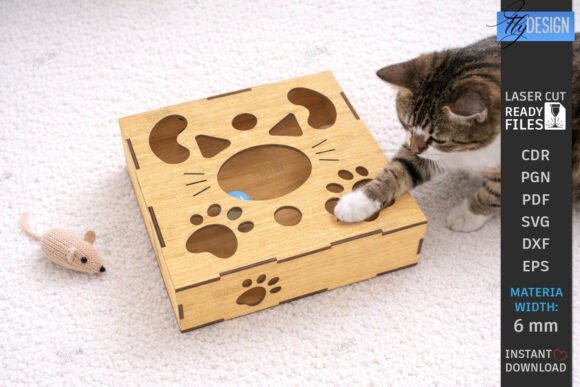
Cat Toy Maze Laser Cut Cat Ball Games: A Guide to Quality and Safety
The rise of DIY pet enrichment has transformed how we provide mental stimulation for our feline companions. Among the most popular designs in this space is the Cat Toy Maze Laser Cut Cat Ball Games. These geometric puzzles, often crafted from plywood, offer hours of entertainment by combining physical activity with problem-solving. However, the digital nature of these files means that the quality of the final product depends entirely on the creator's attention to detail during the design and cutting phases. Many enthusiasts rush into purchasing or creating these toys without understanding the nuances of file compatibility, material safety, or assembly precision.
Understanding the Value of Interactive Wooden Mazes
Why are so many cat owners turning to laser-cut mazes? Unlike static toys that lose their appeal after a few days, an interactive wooden cat ball game evolves with your pet. The maze structure forces cats to use their paws and brains to navigate a ball through tunnels and chambers. This type of engagement mimics hunting behaviors, reducing boredom and anxiety. For creators and small business owners, offering a Cat Toy Maze Laser Cut Cat Ball Games SVG file represents a low-overhead entry into the pet market. The digital download model allows for instant delivery and scalability, making it attractive for entrepreneurs looking to sell designs rather than physical inventory.
However, the value proposition only holds if the end result is durable and safe. A poorly designed maze can lead to frustration for both the owner and the cat. If the tolerances are off, the ball gets stuck; if the wood is too thin, the toy breaks under pressure. Understanding these variables is the first step toward avoiding common pitfalls.
Common Mistakes in File Selection and Software Compatibility
One of the most frequent errors occurs before the laser even turns on: mismatched file formats and software settings. When you purchase a digital package containing SVG, EPS, PNG, PDF, and DXF files, it is tempting to simply open the first one you see. This approach often leads to distorted cuts or failed engraving jobs. Different machines and software suites interpret vector data differently. For instance, some older CNC controllers struggle with complex nested paths in certain SVG versions, while others require specific layer naming conventions to distinguish between cut lines and engrave areas.
A critical detail often overlooked is the color coding within the design files. In professional laser workflows, RED lines typically indicate CUT operations, while BLACK lines indicate ENGRAVE operations. If your software does not recognize these color codes automatically, you may end up engraving where you intended to cut, or vice versa. This results in wasted material and a non-functional toy. Always verify your machine's driver settings to ensure they align with the file's color scheme. If you are using Glowforge, Cricut Maker, or a CO2 laser, check the documentation to confirm how your specific device handles line colors.
The Material Thickness Trap
Another significant misunderstanding involves material thickness. Most designs for these geometric cat toys are optimized for 6mm plywood. Using 3mm wood might make the toy too flimsy, causing it to collapse when a cat bats at it aggressively. Conversely, using 9mm or 12mm wood without adjusting the kerf (the width of the material removed by the laser) will result in pieces that do not fit together. The gaps will be too tight, requiring excessive force to assemble, which can crack the wood fibers.
If you decide to deviate from the recommended 6mm standard, you must adjust the design parameters accordingly. This is where having multiple file formats like DXF becomes valuable, as it allows for easier manipulation in CAD software to resize slots and joints. Ignoring this adjustment leads to a frustrating assembly process and a toy that feels cheap or unsafe.
Safety Considerations for Feline Enrichment
When crafting items for pets, safety is paramount. A common oversight is the choice of wood adhesive. Not all glues are safe for animals that chew or lick. Standard construction adhesives often contain toxic solvents that can harm a cat's digestive system. It is essential to use a non-toxic, water-based wood glue specifically rated for pet-safe applications. Additionally, the finish applied to the wood matters. Raw plywood edges can splinter, so sanding is not just an aesthetic choice; it is a safety requirement.
Furthermore, consider the size of the internal ball. If the ball is too small, it poses a choking hazard if the maze structure fails. If it is too large, it defeats the purpose of the puzzle. The design should account for the specific diameter of the ball used, ensuring it fits snugly within the maze channels without getting lodged permanently.
Optimizing Your Workflow for Better Results
To avoid the issues mentioned above, adopt a methodical approach to your project. Before purchasing or downloading a Cat Toy Maze Laser Cut Cat Ball Games file, review the seller's specifications carefully. Look for clear instructions regarding material thickness, power settings, and speed recommendations. A high-quality digital product should include a PDF guide that explains how to set up the file in your preferred software.
If you are a beginner, start with a test cut on scrap material. This simple step can save you from ruining an entire sheet of plywood. Check that the red lines cut completely through and that the black lines create a clean, legible engrave. If the engrave is too shallow or the cut leaves a charred edge, adjust your power and speed settings incrementally.
For those selling these designs, transparency is key. Clearly state which file formats are included—SVG, EPS, PNG, PDF, and DXF—and specify that customers should contact you if they need alternative file types or different PNG resolutions. This proactive communication builds trust and reduces customer support queries later. It also demonstrates expertise, showing that you understand the technical needs of your audience.
Choosing the Right Design Complexity
Not every cat enjoys the same level of challenge. A maze that is too complex may discourage a shy or older cat, while one that is too simple might bore a young, energetic kitten. When evaluating designs, look for modularity. Some excellent kits allow you to build a basic version first and add complexity later. This flexibility ensures the toy remains engaging over time. Additionally, consider the footprint of the toy. A massive geometric structure might dominate a small apartment living room, whereas a compact version fits easily on a shelf.
Final Thoughts on Quality and Satisfaction
The journey from a digital file to a beloved pet toy requires more than just a click of the "cut" button. It demands an understanding of materials, machinery, and animal behavior. By paying attention to the details—such as the distinction between red cut lines and black engrave lines, the importance of 6mm plywood, and the necessity of pet-safe finishes—you ensure a superior product. Whether you are a hobbyist making a gift for a friend or a business owner launching a new line of pet accessories, taking the time to get the fundamentals right pays off in durability and satisfaction.
Remember, the goal is to provide enrichment, not frustration. A well-executed Cat Toy Maze Laser Cut Cat Ball Games project strengthens the bond between pet and owner. Take advantage of the resources available, ask questions if you are unsure about file compatibility, and always prioritize safety. With careful planning and execution, you can create a lasting source of joy for any feline friend.