Sports Welcome Sign Laser Cut File SVG: A Practical Evaluation
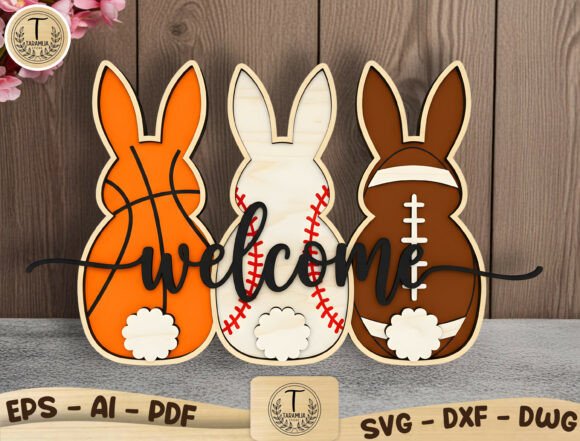
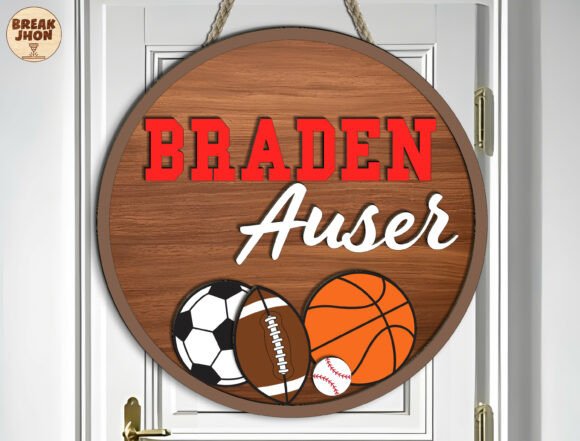
For individuals interested in custom home decor, the Sports Welcome Sign Laser Cut File SVG represents a specific category of digital design assets. Unlike physical products shipped from a warehouse, this item is a vector-based graphic file intended for use with cutting and engraving machinery. It provides the blueprint for creating a layered, round door sign featuring a rustic wood aesthetic, personalized family names, and various sports icons such as basketballs, footballs, soccer balls, and baseballs. Understanding the nature of this digital product is essential before purchasing, as it requires specific equipment and technical knowledge to transform into a finished physical object.
Understanding the Digital Asset
The core of this product is a set of vector files, typically including formats like SVG, DXF, EPS, AI, PDF, and DWG. These formats are distinct because they use mathematical equations to define shapes rather than pixels. This distinction allows the design to be scaled up or down without losing resolution, which is critical for laser cutting applications. The design itself is structured as a multi-layered composition. One layer serves as the background, often designed to mimic rustic wood grain through engraving settings, while subsequent layers contain the text and sports accents. When cut from materials like plywood, MDF, or acrylic, these layers are stacked to create depth and dimension.
It is important to clarify that purchasing this file does not result in receiving a physical sign. Instead, the buyer receives an instant digital download containing the instructions for their machine. The final appearance of the sign depends entirely on the user's choice of material, the quality of their laser cutter, and their assembly skills. The design is optimized for machines such as Glowforge, xTool, diode lasers, and CO₂ lasers, ensuring that the intricate details of the sports balls and text lines are rendered cleanly.
Reasons to Consider This Design
There are several practical reasons why a crafter, small business owner, or homeowner might evaluate the Sports Welcome Sign Laser Cut File SVG. For DIY enthusiasts, the primary appeal lies in customization. Pre-made signs found in retail stores rarely offer the flexibility to insert a specific family name or choose a particular combination of sports. This digital file allows the user to edit the text layer to match their household, making it a highly personalized gift for sports-loving families, athletes, or game rooms.
From a commercial perspective, this asset is valuable for small businesses specializing in handmade goods. The layered design creates a premium look that can command a higher price point compared to flat decals. Because the file includes multiple sports elements, a single purchase can yield a variety of products by swapping out specific icons based on customer requests. Furthermore, the design is suitable for year-round decoration, avoiding the seasonal limitations of holiday-specific decor. The versatility of the file formats ensures compatibility with a wide range of software, including LightBurn, LaserGRBL, Cricut Design Space, and Silhouette Studio, broadening its utility across different crafting ecosystems.
Benefits and Tradeoffs
Evaluating the benefits of using a laser cut file reveals significant advantages in cost efficiency and creative control. By producing the sign in-house, users avoid the markup associated with mass-produced items. Additionally, the ability to select high-quality materials, such as birch plywood or reclaimed wood, allows for a superior finish that aligns with specific interior design themes. The "layered" aspect of the design adds visual interest and texture that is difficult to achieve with standard vinyl cutting alone.
However, there are tradeoffs that must be considered. The most significant barrier is the requirement for specialized hardware. Without access to a laser cutter or CNC machine, the file is useless. Even with the right machine, the process involves a learning curve regarding power settings, speed, and material handling. Engraving a "rustic wood" effect requires precise calibration; incorrect settings can lead to charring or incomplete cuts. Furthermore, the assembly process involves sanding edges, applying adhesives, and potentially staining or painting the layers, which adds time and labor to the project.
Another consideration is the initial investment. While the file itself is relatively inexpensive, the cost of the machine, safety gear (such as ventilation and protective eyewear), and raw materials can be substantial. Users must weigh the one-time cost of equipment against the recurring cost of buying pre-made signs. For those who plan to produce only one sign, the return on investment may not justify the effort required to acquire and learn the necessary technology.
Ideal Scenarios for Use
This digital file is a strong fit for specific situations. It is ideal for crafters who already own a compatible laser cutter and are looking to expand their portfolio with sports-themed items. It suits small business owners who need scalable designs for Etsy shops or local craft fairs, where personalization is a key selling point. For homeowners who enjoy woodworking and have access to community maker spaces or fab labs, this file offers a way to create unique decor without needing to purchase a full-sized machine.
It is also well-suited for gift-giving scenarios where the recipient has a specific passion for a sport. A personalized sign with a child's name and their favorite ball icon demonstrates a level of thoughtfulness that generic gifts lack. The design's neutral color palette and rustic style make it adaptable to various room decors, from modern game rooms to traditional front entryways.
When Alternatives May Be Better
Despite its potential, the Sports Welcome Sign Laser Cut File SVG is not the best solution for everyone. Individuals who do not own a laser cutter and have no intention of purchasing one should consider alternatives. In these cases, ordering a custom-made sign from a vendor who utilizes these same files is more practical. Similarly, those seeking immediate gratification may find the production time of laser cutting and assembly too slow compared to buying a ready-to-hang sign.
Budget constraints also play a role. If the goal is to decorate a temporary space, such as a dorm room or a rental property, investing in materials and finishing supplies for a permanent wood sign may not be cost-effective. In such instances, a vinyl decal version of the design, which can be applied directly to a door without cutting wood, might be a more appropriate alternative. Additionally, if the desired aesthetic is sleek and modern rather than rustic, the specific design elements of this file, which emphasize wood textures and layered depth, may not align with the user's vision.
Decision-Making Insights
To determine if this file aligns with your goals, assess your current resources and long-term intentions. Ask yourself if you have access to the necessary machinery and software. If you are new to laser cutting, verify that the included file formats (SVG, DXF, etc.) are compatible with your specific machine's operating system. Review the preview images carefully to ensure the complexity of the sports icons matches your machine's capabilities; finer details require more powerful lasers and slower speeds.
Consider the volume of work you anticipate. If you plan to make dozens of signs, the efficiency of having a clean, precise cutting line is invaluable. However, if this is a one-off project, calculate the total cost of materials and electricity to see if it remains cheaper than a pre-made option. Finally, evaluate your willingness to engage in post-processing. The beauty of a layered wood sign comes from the finishing touches—sanding, gluing, and sealing. If you prefer digital creation over manual assembly, this project may not be the right fit.
In conclusion, the Sports Welcome Sign Laser Cut File SVG is a versatile tool for those equipped to utilize it. It bridges the gap between digital design and tangible craftsmanship, offering high customization and professional results for those willing to invest the time and technical effort. By weighing the benefits of personalization against the requirements of equipment and skill, buyers can make an informed decision about whether this digital asset meets their specific needs.