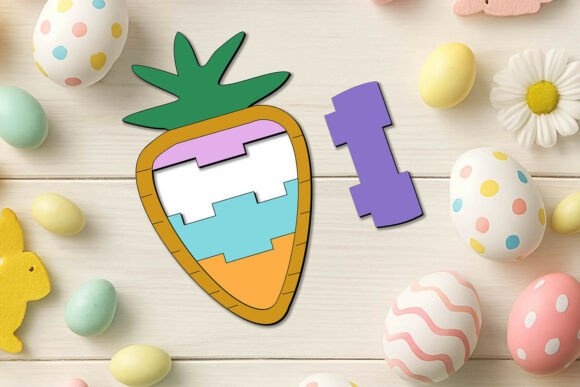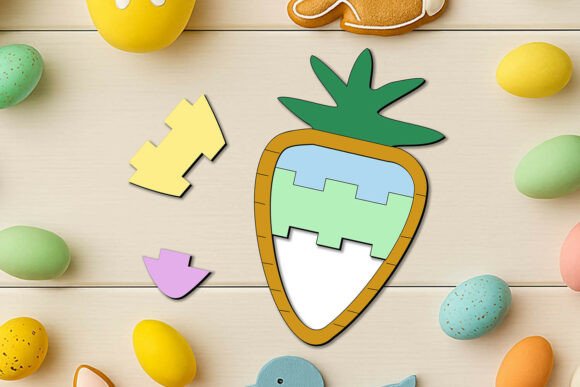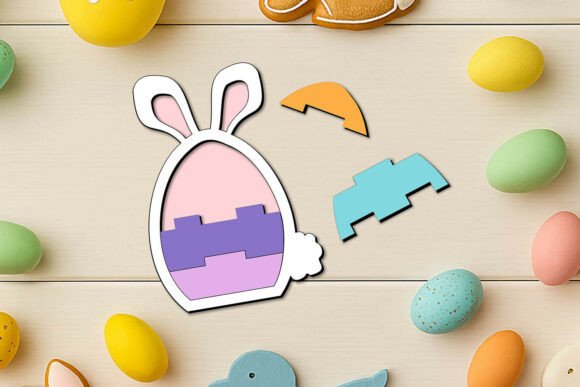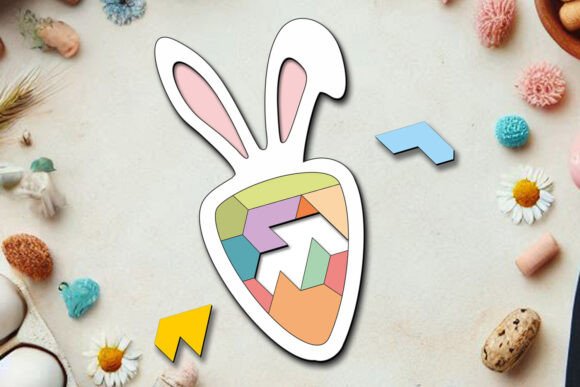
Lego Block Carrot Bunny Ear Easter Puzzl
Easter decor often leans toward the disposable, but there is a growing movement among creators and crafters to build lasting, interactive holiday pieces. The Lego Block Carrot Bunny Ear Easter Puzzl stands out as a unique intersection of playful design and practical DIY craftsmanship. Unlike traditional plastic toys or flimsy paper decorations, this digital design file empowers you to create a sturdy, tactile object that serves dual purposes: an engaging game for children and a sophisticated home accent for adults. By leveraging laser cutting technology, you transform flat materials into a three-dimensional puzzle that captures the whimsical spirit of spring while offering the satisfaction of a hands-on project.
Understanding the Design and Its Versatility
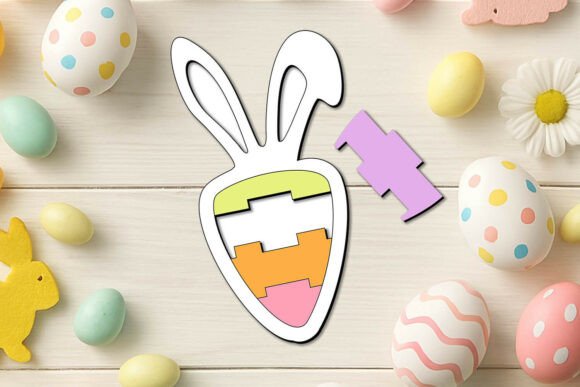
At its core, the Lego Block Carrot Bunny Ear Easter Puzzl is a vector-based blueprint designed for precision cutting machines. It mimics the interlocking aesthetic of classic building blocks, translating that familiar joy into a new medium. The design features iconic bunny ears and carrot motifs, rendered in a blocky, modular style that appeals to all ages. What makes this particular file exceptional is its adaptability. Whether you are a parent looking for screen-free entertainment, an educator seeking a fine motor skill activity, or a small business owner hunting for a high-margin product, this puzzle fits seamlessly into various contexts.
The true value lies in the material choice. While many digital files are limited to paper or thin cardstock, this design is engineered to work with robust substrates like Plywood, MDF, HDF, solid Wood, and Acrylic. This flexibility allows you to tailor the final product's weight, texture, and finish to your specific needs. A wooden version offers a warm, rustic charm perfect for farmhouse-style homes, while an acrylic cut provides a sleek, modern look suitable for contemporary interiors or professional displays. The result is not just a toy, but a piece of functional art that can be passed down through generations.
Decoding the Color Guide for Precision Cutting
One of the most critical aspects of successfully executing this project is understanding the technical specifications embedded in the digital file. The design utilizes a specific color-coding system to streamline the manufacturing process, ensuring that every piece fits together perfectly without unnecessary trial and error. When loading the file into your vector software, pay close attention to these distinct layers:
- Green Color: This layer indicates the primary cuts. These lines define the outer perimeter and the main shapes of the puzzle pieces. Your machine should execute these cuts first to separate the individual components from the raw material.
- Black Color: Following the initial cut, the black lines represent secondary operations. These are typically used for internal details or specific interlocking mechanisms that require a different depth or speed setting to ensure clean edges.
- Yellow Color: This is the score line. Scoring is essential for creating foldable elements or ensuring that pieces snap together with the right amount of tension. It creates a groove rather than a full cut, allowing for structural integrity where needed.
- Red Color: These lines are strictly informational. They serve as guides for alignment, assembly instructions, or visual references within the software and should not be cut by your machine.
Adhering to this sequence is vital for efficiency. Attempting to cut score lines before the main shape, or ignoring the order of operations, can lead to misaligned parts or wasted material. Remember, the responsibility for machine settings rests entirely on the operator. You must know how to adjust power, speed, and frequency based on whether you are working with dense plywood or delicate acrylic.
Practical Applications Across Different Environments
The utility of the Lego Block Carrot Bunny Ear Easter Puzzl extends far beyond a simple holiday craft. In a personal setting, it acts as a wonderful bonding activity. Parents and grandparents can assemble the pieces with their children, turning the construction process into a shared memory. Once assembled, the puzzle becomes a durable toy that withstands rougher play than typical cardboard alternatives. For educators, this design offers a fantastic tool for teaching geometry, spatial reasoning, and patience. Children learn how parts fit together to form a whole, a fundamental concept in engineering and design.
From a commercial perspective, this file presents a lucrative opportunity for entrepreneurs and makers. With the rise of custom gift shops and Etsy-style marketplaces, there is a high demand for personalized, eco-friendly gifts. By producing these puzzles in bulk using sustainable wood or recycled acrylic, businesses can offer a premium Easter product that stands out against mass-produced plastic items. The ability to customize the finish—adding paint, stain, or even engraving names onto the blocks—adds significant value and allows for branding opportunities.
In professional and marketing environments, these puzzles can serve as unique corporate gifts or event favors. Imagine a company sending a branded wooden puzzle to clients during the spring season; it conveys creativity and thoughtfulness. The "Lego-style" aesthetic resonates well with tech-savvy audiences and those who appreciate design thinking. Furthermore, bloggers and content creators can use the assembly process to generate engaging video content, tutorials, or unboxing reviews, driving traffic and engagement around the Easter theme.
Optimizing Your Workflow and Material Selection
To get the best results, selecting the right material is just as important as the design itself. If you choose Plywood or MDF, ensure you have a dust collection system in place, as these woods can produce significant particulate matter during cutting. HDF offers a smoother surface for painting, making it ideal if you plan to add vibrant colors to match your Easter palette. For a more transparent or glossy effect, Acrylic is superior, though it requires careful heat management to prevent melting at the cut lines.
Always perform a test cut on a scrap piece of your chosen material before committing to the full batch. Verify that your yellow score lines are deep enough to fold easily but not so deep that they weaken the structure. Check that the green and black cuts release cleanly without charring the edges. Proper calibration ensures that the final Lego Block Carrot Bunny Ear Easter Puzzl looks professional and functions smoothly.
Ultimately, this project is about more than just following a file; it is about bringing a creative vision to life. Whether you are decorating your home, educating a classroom, or launching a new product line, the combination of a clever design and quality materials yields a result that is both beautiful and useful. By taking the time to understand the cutting parameters and respecting the capabilities of your equipment, you ensure that every piece you create is a testament to skilled craftsmanship and thoughtful design.